



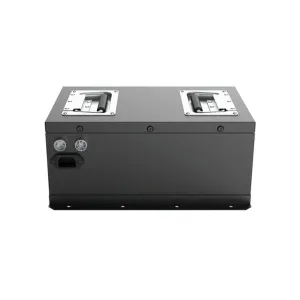
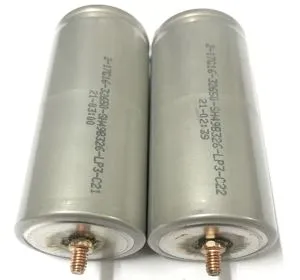
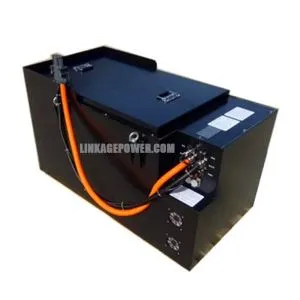
Lithium Ion Power Battery Pack
Lithium-ion batteries, often abbreviated as Li-ion batteries, are a popular and versatile form of rechargeable energy storage. They have become the go-to choice for numerous applications due to their impressive energy density, reliability, and adaptability. These batteries consist of lithium compounds as their cathodes, offering a range of advantages that make them the preferred choice for powering a wide array of modern devices and systems.
Advantages of Lithium Ion Power Battery Pack
Extremely high energy density
Lithium ion batteries store more energy than other types of batteries for the same size of battery, allowing for ultra-high power densities far exceeding current lithium-ion technology.
Excellent charge efficiency
Because of the smart charging algorithm implemented, lithium-ion batteries lose less energy during the charge/discharge cycle than other battery types (Battery Management System). This is especially useful when large amounts of energy are being stored (as in EVs and solar energy storage).
Extremely high discharge power
High power battery packs with high power cells provide high power on demand to power electric vehicles (EV) and renewable energy storage systems.
Reduced self-discharge
Although low self-discharge NiMH batteries are available, lithium-ion batteries are by definition low self-discharge.
Extremely safe and thermally stable
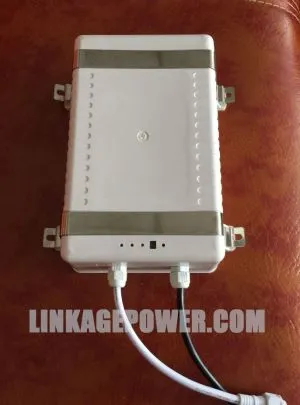
Intelligent BMS is critical to lithium battery performance; it acts as the battery’s brain, responsible for advanced monitoring and management to ensure safety, performance, charge rates, and long lifespan.
It is light in weight
Lithium ion batteries are significantly lighter than other chemistries for a given size and amount of energy storage (such as Lead acid battery). This is especially useful for applications such as EVs or small portable devices.





Why Choose Us
High quality
Our products are manufactured or executed to a very high standard, using the finest materials and manufacturing processes.
Advanced equipment
A machine, tool or instrument designed with advanced technology and functionality to perform highly specific tasks with greater precision, efficiency and reliability.
Professional team
Our professional team collaborates and communicates effectively with each other, and is dedicated to delivering high quality results. We are capable of handling complex challenges and projects that require our specialized expertise and experience.
Long warranty
We are confident in the quality of our products and are willing to provide you with long-term technical service support.
One-stop solution
At our manufacturing facilities, we provide a complete package that includes everything required to get you started, including training, installation and support.
24H online service
We try and respond to all concerns within 24 hours and our teams are always at your disposal in case of any emergencies.

A positively charged anode, negatively charged cathode and electrolyte form the backbone of lithium ion batteries. Since the first lithium ion batteries were developed in the 1970s, the technology has become a mainstay in everyday life. Today, lithium ion batteries are used to power everything from smartphones to electric cars. When it comes to energy density, lithium ion batteries are top performers. This property describes the amount of energy a battery can hold, relative to its size. The more energy a battery can store, the higher its energy density. Compared to traditional lead-acid batteries which can hold between 50 to 100 wh/kg, lithium ion batteries boast an impressive range of between 260 and 270 wh/kg. On average, lithium batteries weight between 50 and 60% less than traditional batteries. This makes them ideal for compact and handheld devices, including smartphones and e-readers. As well as being rechargeable, lithium ion batteries boast exceptionally long lifespans. High-performance lithium batteries last up to 10 times longer than their lead-acid counterparts. Of course, lithium ion batteries eventually deteriorate. Though with the right recycling practices in place, materials can be salvaged and lithium batteries can find a place in the circular economy. Unlike other batteries which don’t function well in extreme temperatures, lithium ion batteries are relatively tolerant. Self-discharge is one of the biggest issued faced by battery engineers. Unlike other types of rechargeable batteries, lithium ion cells have a low self-discharge rate. Batteries will generally lose around 5% of charge in the first few hours, however this quickly drops to around 1 to 2% per month. Fast charge times make lithium batteries the technology of choice for consumer products. This includes handheld devices like smartphones and tablets, as well as larger battery-powered products like electric cars. Manufacturers don’t need to conform to a one-size-fits-all approach when developing lithium ion batteries.
There are many tools around us that run on electricity. Taking advantage of the benefit that they are small and powerful, lithium-ion batteries are incorporated into a variety of devices. In particular, products such as smartphones, PCs, and digital cameras became smaller, lighter, and longer lasting after they started using lithium-ion batteries. Electric vehicles were initially equipped with nickel-metal hydride batteries. However, they now use lithium-ion batteries because of their benefits in being powerful and having low self-discharge and because they do not suffer from the non-user-friendly inability to allow top-up charging like nickel-metal hydride batteries. Lithium-ion batteries are also used for small home appliances such as cordless vacuum cleaners and irons, vehicles such as electric bicycles and electric motorcycles, and applications such as storing electricity generated during the day using a solar power generation system at home. In industrial fields, lithium-ion batteries are used to cordlessly operate machines such as robots and drones. There are also a wide range of other industrial fields where lithium-ion batteries are utilized, such as for IoT sensors installed in various locations and special vehicles such as submarines and rockets. On the other hand, lithium-ion batteries, too, have limited energy density, which limits their use when more power is required. For example, today’s lithium-ion batteries can be used as the energy source to drive the motors in electric vehicles, but it is still technologically too difficult to fly large airplanes on the energy of lithium-ion batteries. However, people are developing new vehicles such as “flying cars” that use lithium-ion batteries. There are still many possibilities left even if we just investigate thoroughly the performance potential of current lithium-ion batteries.

How to Make Lithium Ion Power Battery Pack Last Longer
Just as lithium-ion batteries have different characteristics from other batteries, they will last longer if you use them with an understanding of their characteristics. One of the features of lithium-ion batteries is their user friendliness. For example, with nickel-metal hydride batteries and nickel-cadmium batteries, if you try to add charge while capacity remains, the battery may not appear to be charged more than that remaining capacity. This is called the “memory effect,” and it basically does not happen with lithium-ion batteries. To prevent the memory effect in nickel-metal hydride batteries and nickel-cadmium batteries, it is recommended to charge them after using up all the electricity. Lithium-ion batteries, in contrast, can be said to be more user-friendly because you can top up their charge before running them down completely. Devices that use lithium-ion batteries, such as smartphones and laptops, use circuits that do not allow charging beyond the battery’s capacity even if the battery is used while always charged. So, there is no worry that the battery will be overburdened, but if you want a lithium-ion battery to last longer, it is best to continue using it while charged up to about 50% and connected to a power supply. Some laptops can be set to not charge more than 50%. Overcharging and over-discharging should be avoided in lithium-ion batteries. Conversely, the thing to avoid with lithium-ion batteries is using a device while maintaining a 100% charged state. If you continue to use a fully charged laptop while it is connected to a power supply, it will shorten the battery life.On the other hand, leaving a device in inactive storage in an over-discharged state where almost all the electricity is used up can also shorten the life of lithium-ion batteries. In other words, avoid use in the extreme states of being overcharged and over-discharged. This is similar to the way exercising in a state of fullness or hunger puts an undue burden on the body.Remember to try to use lithium-ion batteries at room temperature. To get stable performance out of lithium-ion batteries, it is best to use them at room temperature. You may have heard the rumor that they will last longer when cooled, but this is counterproductive because the battery’s resistance value increases at low temperatures, increasing the load for charging and discharging. Moreover, cooling may cause condensation on the battery, and the circuits around the battery may short-circuit. Lithium-ion batteries have various advantages, but it must be said that it is important to use them in ways that make the most of those advantages in order to get good performance for a long time.
Reasons Why Lithium Ion Power Battery Pack Replace Lead-Acid Batteries
Lithium-ion batteries are rechargeable batteries whose uses include PCs and smartphones. In addition to being used in everyday electrical devices, they are also used in diverse fields such as electric vehicles, industrial machinery, and advanced technology. Why are lithium-ion batteries said to “contribute to the realization of a sustainable society?” One reason is that the use of lithium-ion batteries in various applications spreads electrification, reducing the use of fossil energies such as oil and gas, which is thought to lead to the curbing of global warming. Lithium-ion batteries are also said to have a low environmental impact because they do not use substances such as cadmium, lead, and mercury as materials. Substances like cadmium, lead, and mercury have always existed in nature, so they do not have a major impact on the natural environment itself. Lead-acid batteries are often compared to lithium-ion batteries. Batteries are divided roughly into three types depending on the type of energy that generates the electricity: chemical batteries, physical batteries, and biological batteries. Chemical batteries are batteries that generate electricity by internal chemical reactions to extract their electrical energy. They are classified into three types: disposable primary batteries such as dry cell batteries, secondary batteries that can be recharged and used repeatedly, and fuel cells that continuously extract electricity generated by chemical reactions. Lithium-ion batteries are often compared to lead-acid batteries; both are classified as secondary batteries of the chemical battery type. Among secondary batteries, lithium-ion batteries are thought to have a lower environmental impact than lead-acid batteries in terms of the materials used. Excessive consumption of substances such as lead can harm living creatures, but substances such as lithium, carbon, manganese, nickel, and cobalt—the main materials in lithium-ion batteries—are said to have a low environmental impact. Therefore, it can be said that lithium-ion batteries have an environmental advantage over lead-acid batteries. Lithium-ion batteries have higher energy density and are more powerful than lead-acid batteries. Energy density is a number that represents the amount of energy that can be extracted per mass or volume; the higher the value, the higher the performance of the battery. Comparing energy density per unit weight (volume), lead acid batteries are about 25–50 W⋅h/kg (50-100 W⋅ h/L) and lithium-ion batteries are about 100–250 W⋅h/kg (200–700 W⋅h/L). In addition, chemical batteries have a phenomenon called “self-discharge,” whereby electricity decreases because the chemical reaction occurs little by little inside even when the battery is not in use. However, since lithium-ion batteries do not self-discharge, the batteries do not easily deteriorate, and they last longer as a result.
Lithium Ion Power Battery Pack Can Store Energy Efficiently
Imagine having a power source that not only stores energy efficiently but also helps protect the environment. That's exactly what lithium-ion batteries bring to the table. With their exceptional energy storage capabilities, they ensure that every drop of power is put to good use, helping you save both money and resources. But that's not all. These batteries are incredibly versatile, finding their place in various applications, from electric vehicles to renewable energy systems. And worry not about safety, as they come equipped with advanced features to keep you protected.You won't believe how incredibly efficient and game-changing lithium-ion batteries are when it comes to storing and utilizing energy! These batteries have revolutionized the way we store and utilize power, offering numerous advantages over traditional energy storage solutions. One of the key benefits of lithium-ion batteries is their high energy density, which means they can store a large amount of energy in a relatively small and lightweight package. This makes them ideal for use in portable electronic devices, electric vehicles, and renewable energy systems. Not only are lithium-ion batteries highly efficient in terms of energy storage, but they also have a high charge/discharge efficiency. This means that a smaller proportion of energy is lost during the charging and discharging processes, resulting in less wasted energy and more available power for use. Additionally, lithium-ion batteries have a longer lifespan compared to other types of batteries, allowing them to be used for a longer period of time before needing replacement. In terms of energy utilization, lithium-ion batteries are capable of delivering power quickly and efficiently, making them well-suited for applications that require high power output, such as electric vehicles and grid-scale energy storage systems. They also have a low self-discharge rate, which means they can retain their stored energy for longer periods of time without significant loss. With their exceptional energy storage and utilization capabilities, lithium-ion batteries are a game-changer in the field of green power solutions. They provide a reliable and efficient way to store and utilize renewable energy, helping to reduce our reliance on fossil fuels and decrease greenhouse gas emissions.
Lithium-ion batteries are one of the most widely used types of rechargeable battery, and their dominance continues to grow year-over-year. Below, we can see the four components of a typical Li-ion battery. On the right is the anode (the negative terminal) and on the right is the cathode (the positive terminal). These are kept apart by a porous separator and an electrolyte. In the normal operation of a Li-ion battery, positively charged lithium ions (Li+ ions) flow from the anode to the cathode through the porous separator. A corresponding electron current flows through the electrical load from the anode to the cathode. Lithium is used because it’s the cheapest, lightest, and most abundant electropositive chemical element.This simple technology has proven to be totally transformational. Without it, it’s likely that the digital revolution that we’ve seen over the last few decades—with portable devices leading the way—would not have occurred. In addition, the major progress we’re seeing with electric vehicles would have struggled to take off.

Our Factory
We have first rate production line, the professional engineers working with us, Grade A BMS technology, which makes the battery pack with safety and long recycling life.Military Lithium batteries, e bike battery, vehicle batteries, golf cart battery, starter battery,Military, underwater machine, subsea marine, solar storage E bike, Electric vehicle, Medical. Automatic soldering machine, ultrasonic wave shielding machine.

Certificate

FAQ
Q: How long do lithium-ion power battery packs last?
Q: How do lithium-ion power battery packs work?
Q: Can lithium-ion power battery packs be recharged?
Q: Can lithium-ion power battery packs be replaced?
Q: Can lithium-ion power battery packs be recycled?
Q: What is the maintenance required for lithium-ion power battery packs?
Q: What is the warranty for lithium-ion power battery packs?
Q: What is the energy density of lithium-ion power battery packs?
Q: What is the power output of lithium-ion power battery packs?
Q: What is the efficiency of lithium-ion power battery packs?
Q: Can lithium-ion power battery packs be used in different applications?
Q: What is the future of lithium-ion power battery packs?
Q: What is the capacity of lithium-ion power battery packs?
Q: What is the voltage of lithium-ion power battery packs?
Q: What is the weight of lithium-ion power battery packs?
Q: What is the charging time for lithium-ion power battery packs?
Q: What is the operating temperature range for lithium-ion power battery packs?
Q: What is the discharge rate for lithium-ion power battery packs?
Q: What is the cycle life of lithium-ion power battery packs?
Q: What is the self-discharge rate for lithium-ion power battery packs?